

MTG Supplemental Sets Explained: Masters, Remastered, Commander, and Special Releases
Supplemental MTG releases do not share one purpose or legality rule. Here is how to evaluate Masters, Remastered, Commander, and special products.

Supplemental MTG releases do not share one purpose or legality rule. Here is how to evaluate Masters, Remastered, Commander, and special products.
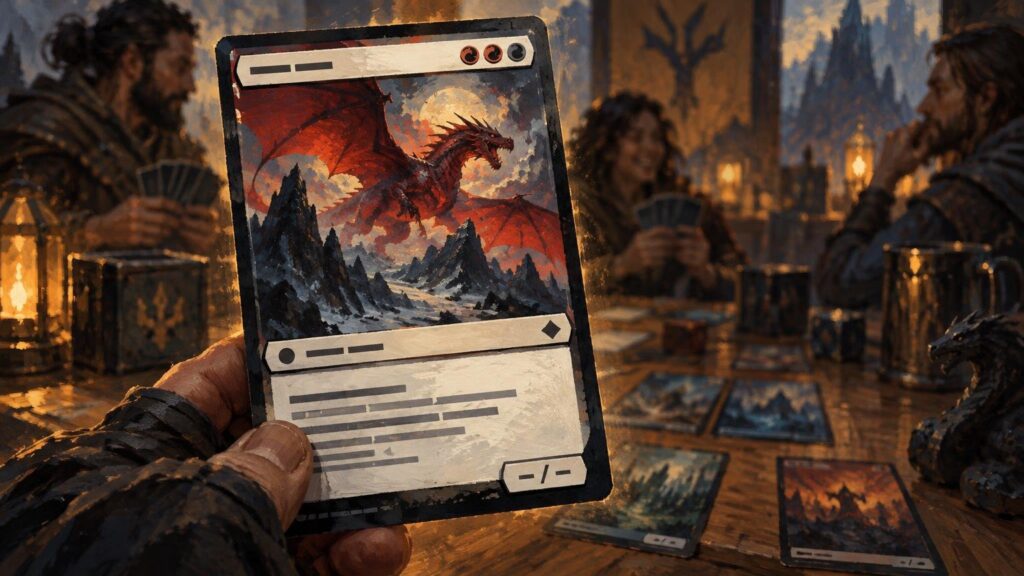
Full-art MTG proxies work best when the illustration supports the card’s identity without obscuring its name, mana cost, type line, or rules text.

Most Commander decks should begin with 36–38 lands, but the right total depends on when the deck needs mana, how its ramp works, and what its opening hands can support.

MTG promo cards come from prereleases, store events, product purchases, judge programs, conventions, and unusual cross-promotions. This guide explains the major categories and how to identify a specific printing without mistaking every special treatment for a promo.

Compare dice, dials, apps, paper records, tracker boards, and electronic life counters to find a readable, reliable setup for your Commander pod.
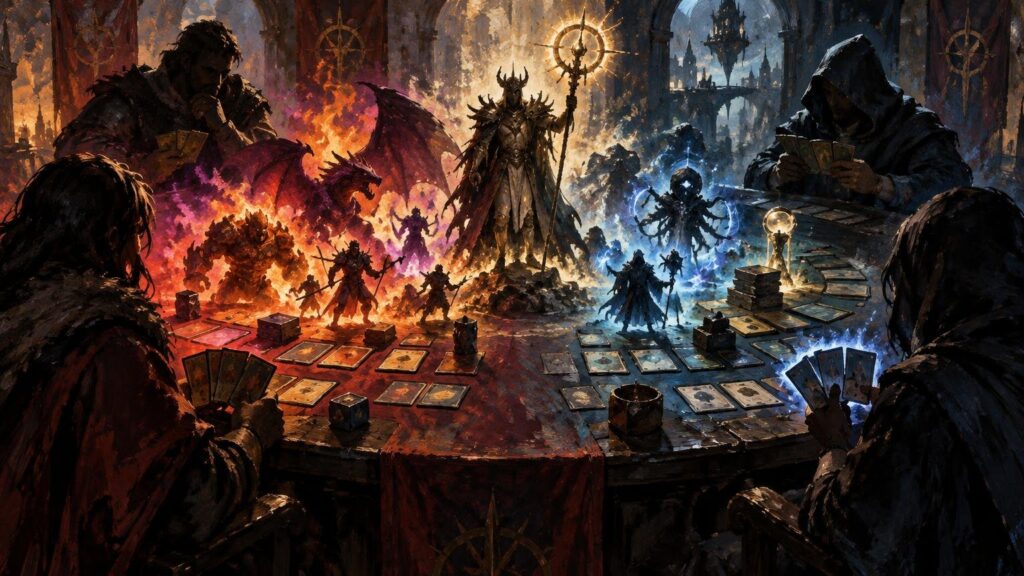
High-power Commander and cEDH share cards and rules, but differ in optimization goals, competitive assumptions, redundancy, mulligans, and table expectations.

Use a shuffle, play-beside, and display framework to distinguish altered cards, artist proofs, tokens, and art cards while building a coherent Commander collection.

Turn a strange pet card or favorite interaction into a coherent Commander deck by defining its role, choosing the right commander, and building resilient support around it.

Use this decision framework to determine whether your Commander precon needs a few upgrades, a complete rebuild, a new commander, or no changes at all.

Compare the major Commander ramp families and learn how to choose acceleration that fits your commander’s colors, curve, vulnerabilities, and game plan.